In 2023, Canadians logged roughly 1.2 billion hours of mobile gaming – that’s more time than watching TV, streaming movies, or scrolling social feeds combined. The surge isn’t a flash in the pan; it’s driven by concrete shifts in technology, culture, and regulation.
5G Rollout Turns Rural Playgrounds Into Battlefields
When Bell and Telus finished their 5G expansion in the Prairies last summer, latency dropped from 80 ms to under 20 ms for most users. For a fast‑paced shooter, that difference is the line between winning a match and losing a life. The immediate impact is visible in the surge of multiplayer titles that rely on real‑time interaction – games like “Apex Legends Mobile” now report a 30 % increase in Canadian downloads from previously underserved provinces.
Cloud Gaming Services Cut the Hardware Barrier
Services such as Xbox Cloud Gaming and NVIDIA GeForce Now now host servers in Montreal and Vancouver, shaving round‑trip time by an average of 15 ms. Because the heavy lifting happens off‑device, a mid‑range Android phone can stream titles that once required a $500 console. According to a recent survey, 42 % of Canadian gamers say they would try a premium AAA game if it didn’t require a high‑end device.
Local Content Gets a Boost From Government Grants
The Canada Media Fund allocated CAD 15 million this year specifically for mobile‑first projects that showcase Canadian stories or use Indigenous languages. One result is “Northern Lights,” a puzzle‑adventure that incorporates Cree narration in each level. By embedding cultural authenticity, developers are not just ticking a box – they’re unlocking new audiences and, in some cases, qualifying for tax credits that reduce production costs by up to 20 %.
Monetisation Models Are Evolving Beyond the Classic “Freemium”
Whereas 2019 saw 70 % of top‑grossing Canadian mobile games rely on in‑app purchases, the latest data shows a 12 % rise in subscription‑based models. Titles like “Legends of the North” now charge CAD 9.99 per month for ad‑free play, exclusive quests, and a shared loot pool. Early adopters report a 25 % higher lifetime value per user compared with the traditional micro‑transaction approach.
Social Integration Makes Games Part of Daily Conversation
Discord servers, TikTok clips, and Instagram reels have become the primary discovery channels for many players. A single 15‑second TikTok of a new battle‑royale highlight can generate 500 000 views and drive 20 000 downloads within 48 hours. Developers are responding by embedding share‑ready moments directly into the UI, turning every victory screen into a potential meme.
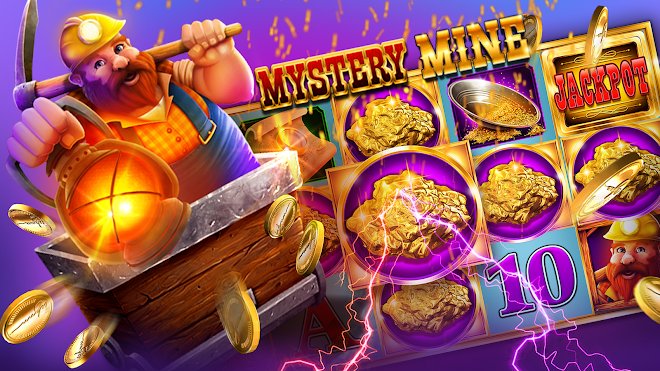
All these trends intersect with the broader entertainment ecosystem. While mobile gaming carves out its own niche, it also feeds into the online casino space where Canadians are looking for immersive, on‑the‑go experiences. One platform that’s capitalising on this crossover is wyns canada, offering a blend of traditional casino games and social features that mirror the mobile‑first design principles seen elsewhere.
What’s Next? A Glimpse Into 2025
Expect tighter integration of AR overlays in city‑wide scavenger hunts, especially as municipalities experiment with “smart city” initiatives. Look for more cross‑border collaborations – a Toronto studio partnering with a Vancouver AI lab could produce adaptive difficulty that learns from a player’s biometric data. And keep an eye on the regulatory front: the upcoming Digital Charter Implementation Act may reshape data‑privacy rules, forcing developers to be more transparent about how they track in‑game behaviour.
Bottom line: Canada’s mobile gaming scene is no longer a peripheral hobby. It’s a fast‑moving market where latency, cloud access, local storytelling, and innovative monetisation converge. If you’re a developer, investor, or just a curious player, the numbers above give you a roadmap of where the next big opportunity will likely appear.